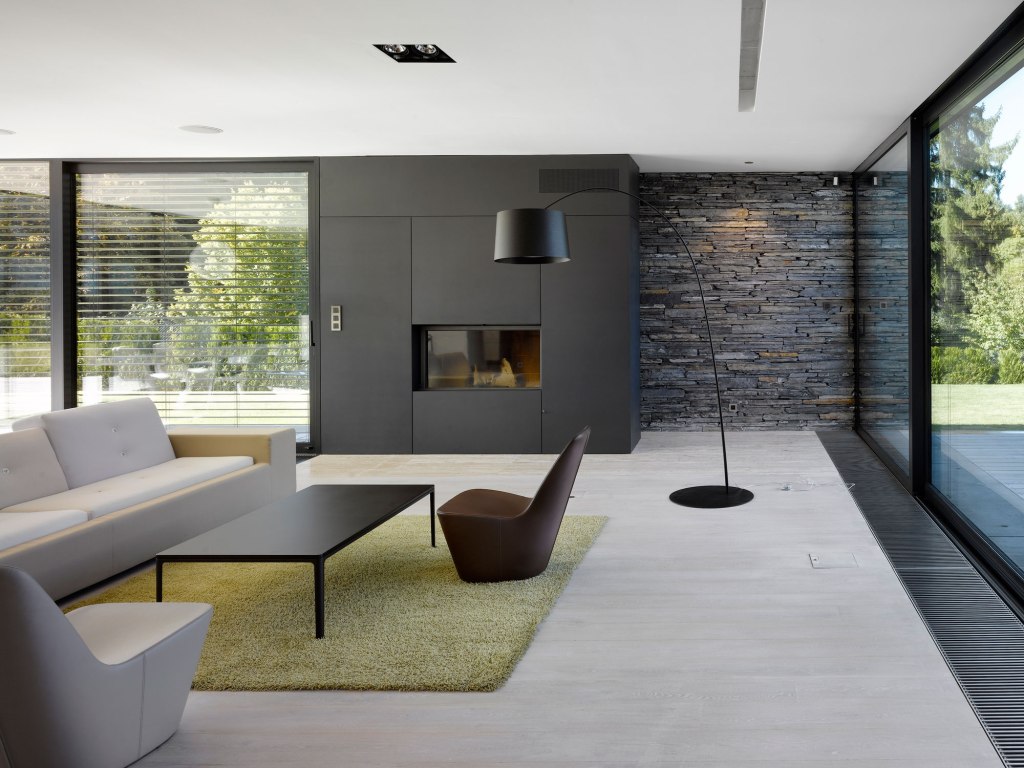
Which Type of Tile Is Best for the Living Room?

Living room tiles

Decorating your house sure is fun! If you’ve recently moved in or are considering renovating a room it can be a super fun way to express your personality in the form of art and interior. From picking flooring and painting the right colors on the walls to adding appropriate furniture and sleek fittings, the end result is always a masterpiece. However, one thing that requires the most attention is the kind of tiles we use for the floors in our living room. We give most of our attention to the kitchen and the bedroom that we totally forget about our living room and how much of an impact the floor can have on the overall interior. In fact, tiles could be a makeup or break-up point in your living room, therefore, it is essential that you do a good job with it. 

If you’re struggling to find the best tiles for your living room, don’t worry we have got you covered. To begin with, we suggest you create a budget and then look around for some tiles. If shopping in person is not convenient for you (especially with the pandemic), opt to buy metro tiles online or any type of tiles that you think will work best for your room. 

This article will go over some possible tile options that can be best for your living room. 

Remember, before you get on to selecting your tiles and creating a budget you also need to account for any requirements you may have for your flooring. Whether it may be needing a wide color choice or something that is scratch-proof, you may want to consider your family habits before you make your final purchase. That being said, let’s dive right into the article!

Hardwood or Natural Stone Tiles

Tiles are not limited to the standard colors and styles they once had, in fact, there is so much more than you can achieve with it. Even if that involves replicating the warm look of real stone or natural hardwood while having the benefits of tiles together. Stone floors are great if you are looking for incredible durability and are in fact second to none. Whether it is marble, travertine, or granite tiles, they all look great. 

If you like the look of wood but can’t deal with the maintenance opt for hardwood ceramic tiles instead. It’s durable, moisture and scratch-resistant.

Porcelain Tiles

This is the all-rounder. If strength is your cup of tea then porcelain tiles are what you need. Today, you can choose to have porcelain tiles with higher than average hardness and added moisture resistance. 

These tiles are more durable than ceramic and can be found in a variety of colors and textures. Each porcelain tile has its own specs. Do be sure to check them before you buy them.

Marble Tiles

If your living room is small and you want to make it look visually bigger, try adding lighter color tiles instead. Opt for neutral colors like sand, beige or white and choose marble tiles to pull off this look perfectly. You can also choose ceramic instead, but marble tiles reflect light and are pretty hard-wearing. Not to mention, they are also quite affordable. 

Seek some inspiration with this article and don’t be afraid to mix and match with your choices. Good luck!

Do Big Tiles Or Small Tiles Make a Difference?

Tiles, like all other design choices, depends on our individual preferences. What I adore, may appear awful to you. Likewise, what you love, I may not like to have in my home. This explains why we all have different choices and why the tiles industry has so many choices. Colors, styles, finishes, and sizes of tiles vary greatly with respect to customers’ choices. We all want to have tiles that look graceful in our homes.

But one thing is common that we all want to get distinctive looks. And when it comes to looks and design, picking the right size of tiles matters a lot. Whether you are installing Victorian tiles or buying cheap patterned tiles, selecting the right size is crucial.

1

4 Less Effort Ways For The Flooring Of Your Homes

There was a time when the term eco-friendly evoked images of bland, exhausting and blah materials. Fortunately, that isn’t the situation today. As an ever increasing number of creators are searching out eco-friendly materials for their naturally insightful customers makers have ventured up and given the plan world numerous wonderful alternatives to pick from. I have gathered a guide of the most well known eco-flooring solutions, some are new, some are old and a couple of will make you think.

Portland-Blue-Brick-1-450x450.jpg

Glass Tiles:

Ever wonder what happens to the wine bottles and beer bottles that are sent to the recycler? They are changed over into tiles and you can easily buy patterned tiles. This renewable source is quick turning into an awesome choice for floors and washroom and kitchen walls. Glass has comparative advantages of other eco-friendly materials. It is non-absorptive and won’t buildup or form in damp conditions.

Cork:

Cork is generally new to the flooring world. It is typically seen on walls or in your favorite bottle of wine, however it is incredible material for floors. Cork is harvested from the bark of the plug oak tree generally found in the backwoods of the Mediterranean. The trees are not chopped down to collect the bark, which will develop back at regular intervals, making it a perfect renewable source. It has anti-microbial properties that decrease allergens in the house, is fire retardant, simple to keep up and goes about as a characteristic creepy crawly repellent as well. Stopper, similar to wood can be done in an assortment of paints and stains to suit any shading plan or design style. Its sturdiness takes into account utilizes in any piece of the house. Cork floors, contingent upon the quality, can last between 10-30 years.

Bamboo:

Bamboo flooring is another wood like choice that is picking up in ubiquity. It is really a grass that has comparable attributes as hardwood. It is solid, simple to keep up and is anything but difficult to introduce. Bamboo is supportable and produced using regular vegetation that develops to development in three to five years, far not exactly the twenty years trees can take. Bamboo, while typically light, is accessible in numerous shades that will work in any setting or stylistic layout. Its shifted grains and wide cluster of hues give it an edge over conventional ground surface by considering customization not frequently found somewhere else.

Linoleum:

When one considers tile flooring, vinyl will in general ring a bell but then the two are no place near one another. Vinyl is a manufactured made of chlorinated petrochemicals that are destructive. Flooring is made from a mixture of linseed oil, plug dust, tree pitches, wood flour, shades and ground limestone. Tile isn’t new to the market; it dropped out of support with the presentation of vinyl in the 1940’s. As planners and originators started requesting it once more, it reemerged with a huge range of brilliant dynamic colors and another sealer to shield it from stains. It has a long time span of usability and will hold up to a lot of wear and tear.